
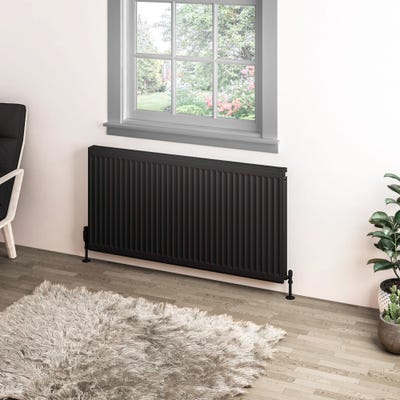
Black Central Heating Radiators
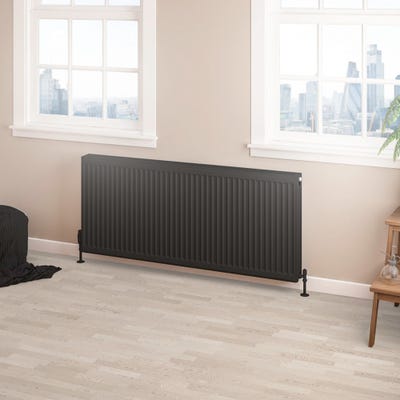
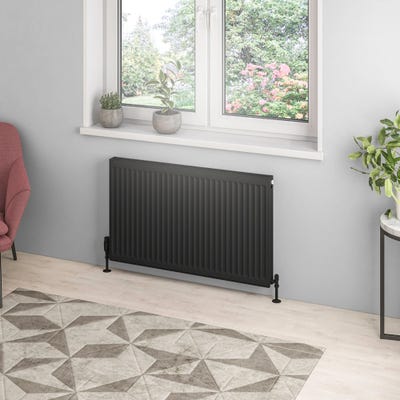
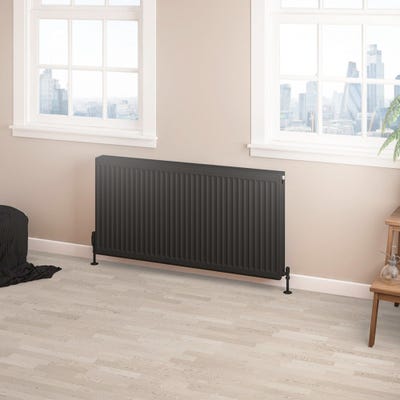
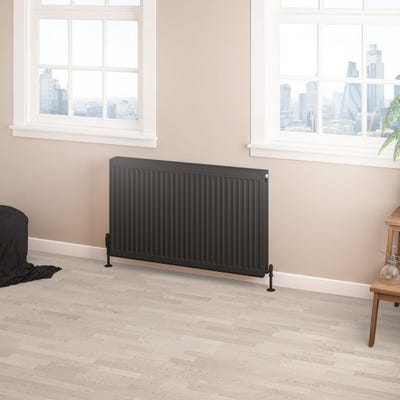
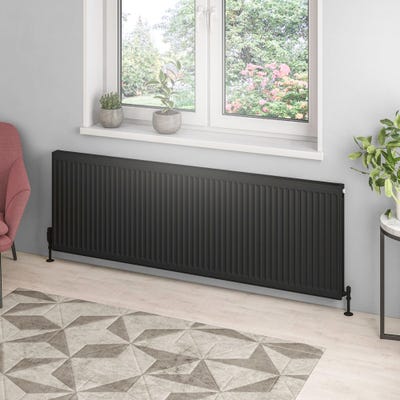
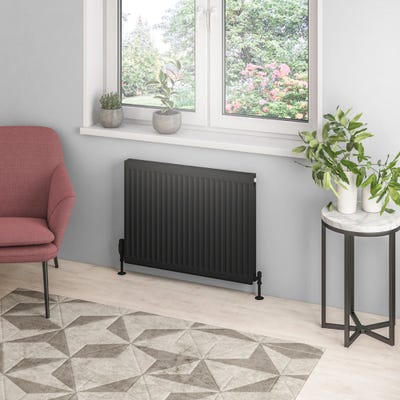
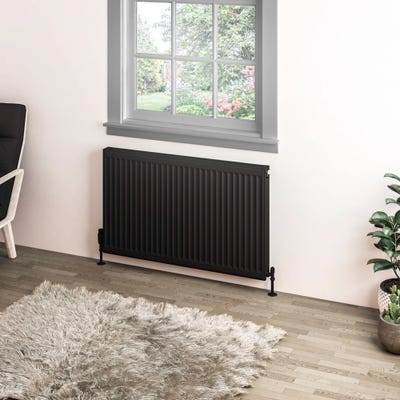
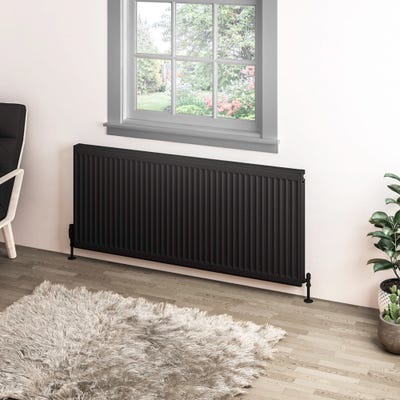
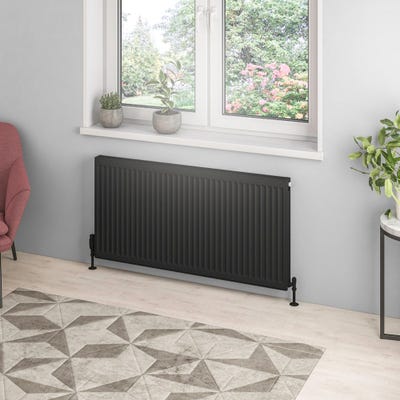
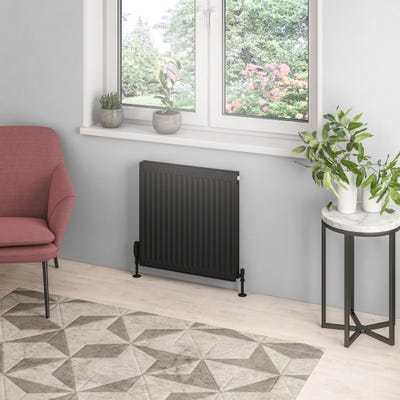
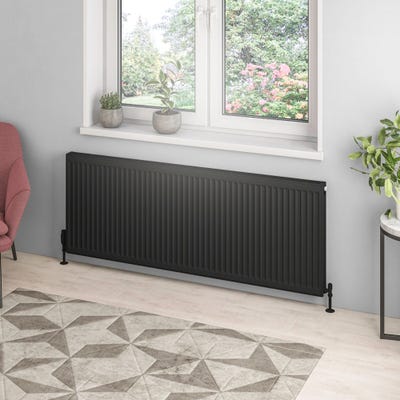
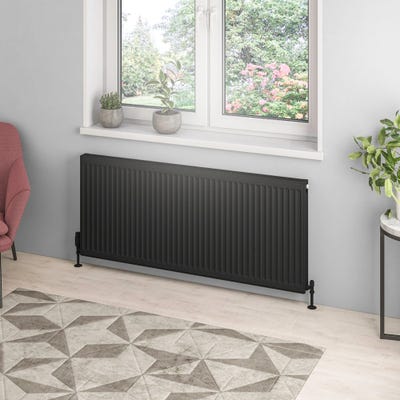
Shop our range of convector radiators to find the perfect fit for your heating needs. We stock Type 21, Type 22, and Type 11 designs in a variety of heights, lengths, and BTU outputs (British Thermal Units) to suit any space. Choose from popular finishes including classic gloss white, anthracite, and black. At Builder Depot, you can enjoy quality central heating radiators at competitive trade prices, backed by a 10-year manufacturer’s guarantee.
Read More Read LessNow Shopping By: 1 Applied Filters
-
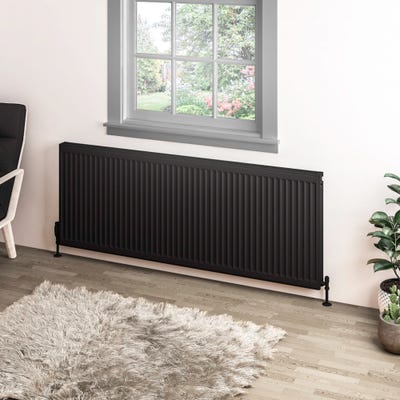 £106.14 Inc VAT
 -
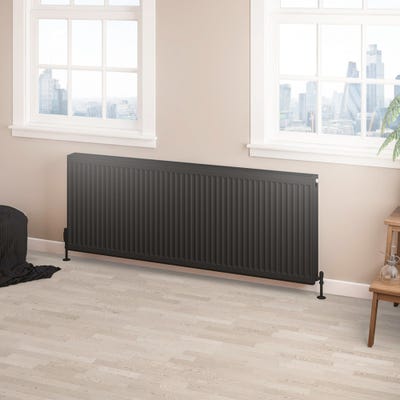 £203.94 Inc VAT
 -
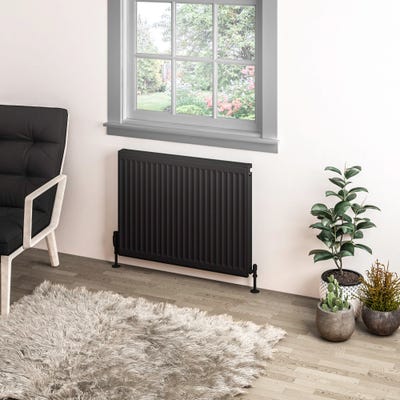 £53.34 Inc VAT
 -
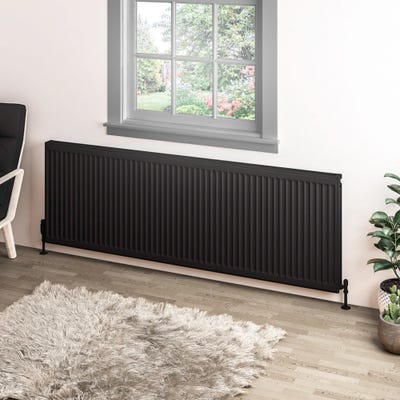 £119.34 Inc VAT
 -
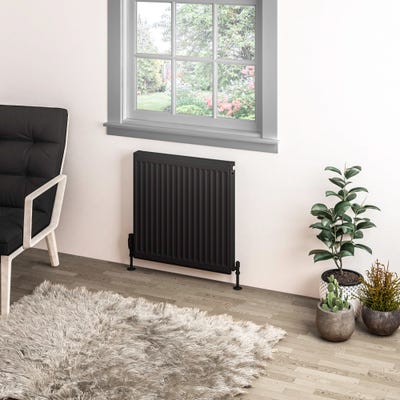 £40.14 Inc VAT
 -
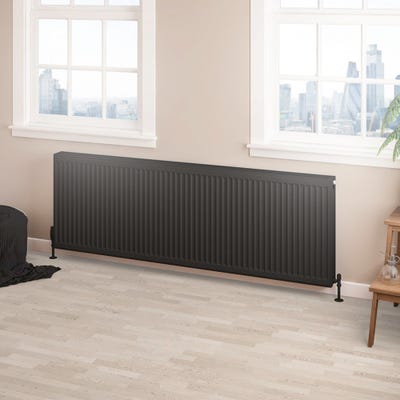
-
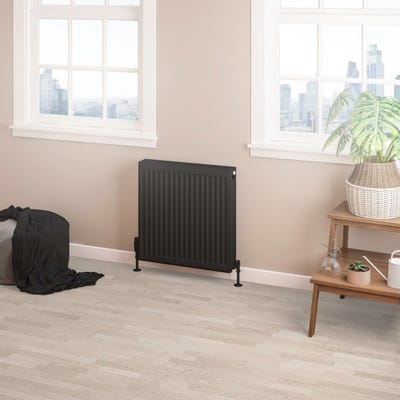
-
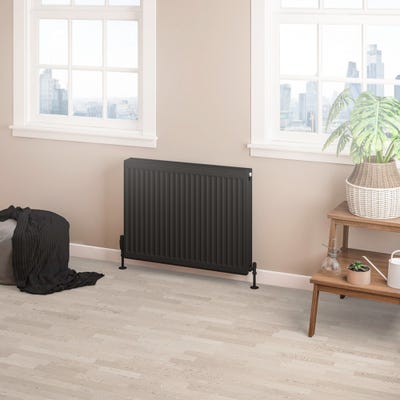
-
-
-
-
How do central heating radiators work?
Central heating radiators are the most common method of heating homes in the UK. A central heating radiator works by circulating hot water from your boiler through pipes into the radiator panels. The water heats the metal surface, which then radiates warmth into the room and also circulates warm air through convection. Once the water cools, it flows back to the boiler to be reheated.
How do you balance central heating radiators?
By balancing radiators, you ensure that all rooms heat up evenly. If one radiator gets hot quickly whilst the others remain cool, it may need balancing. This involves adjusting the lockshield valve (usually on the opposite side of the thermostatic valve) to control the flow of water. Start by turning off your heating, then reopen the valves in small increments on radiators that heat up faster, reducing their flow. This allows more hot water to reach radiators that take longer to warm up. Balancing can improve comfort and make your heating system more efficient.
Should central heating be on when bleeding radiators?
Your central heating should always be off when bleeding radiators. Bleeding removes trapped air, which prevents radiators from heating evenly. Turning the heating off and letting the system cool reduces the risk of burns and ensures air escapes properly. To bleed a radiator, place a cloth under the bleed valve, use a radiator key to slowly turn the valve, and release air until water trickles out. Then, close the valve securely and switch your heating back on to check its performance.
How much does it cost to replace radiators with central heating?
The cost of replacing radiators varies depending on how many you change, the size of your home, and the style of radiator chosen. On average, replacing one radiator can cost between £150 and £300*, including labour. Replacing a full set of radiators in a three-bedroom home may cost between £1,000 and £3,000*, depending on whether you choose standard convector radiators or more premium designs. (*Prices estimated September 2025)
What is the ideal temperature for central heating radiators?
The ideal temperature for most homes is between 18°C and 21°C for living areas, and around 16°C to 18°C for bedrooms. On your boiler, this often translates to a flow temperature setting of around 70°C for radiators. Pairing radiators with thermostatic radiator valves (TRVs) allows you to control temperatures in individual rooms, preventing wasted energy and keeping heating costs down. For improved efficiency, some homeowners lower their flow temperature to around 60°C, which may still be comfortable while saving on energy bills.
Why do my radiators get hot when the central heating is turned off?
If your radiators are heating when the system is switched off, there could be a problem with your boiler or valves. A faulty diverter valve may be stuck open, allowing hot water to flow into radiators even when the heating is off. Alternatively, the hot water system may unintentionally transfer residual heat. If this happens regularly, it’s worth having a heating engineer inspect the system to ensure valves and controls are working correctly.
Why do central heating radiators make a noise?
Radiators can make noises such as gurgling, banging, or ticking. Common causes include:
- Air trapped in the system (solved by bleeding the radiator)
- Limescale build-up
- Expansion and contraction of metal pipes cause creaking or ticking sounds
- Sludge in the system (requiring a power flush to clean)
Occasional small noises are normal, but hire a professional to check persistent loud bangs or rattles.
How do you choose the right size central heating radiator?
The size of the radiator you need depends on the size and insulation of your room. The heat output of radiators is measured in BTUs (British Thermal Units). Larger rooms require higher BTUs and bigger radiators, whereas small rooms need less heat, and more compact models are suitable. Online BTU calculators can help you work out the correct size. At Builder Depot, our BTU calculator recommends which radiator to buy after calculating your required BTUs!
Are central heating radiators energy efficient?
Modern central heating radiators are far more efficient than older models. Double-panel convector radiators and aluminium radiators improve heat transfer and reduce wasted energy. Installing TRVs and balancing the system also increases efficiency by directing heat where it’s needed most. Replacing outdated radiators can make a noticeable difference to your heating bills.
Where is the best place to buy central heating radiators?
Choosing a trusted supplier ensures you get quality products with reliable performance. At Builder Depot, we stock a wide selection of central heating radiators in black, anthracite and white. With competitive prices, detailed specifications, and fast delivery, we make it easy to upgrade your heating system with confidence.
