
Garden Edging
Add the finishing touch to your outdoor space with our diverse range of garden edging. Edging provides a durable and stylish structure to flower beds, pathways, driveways and lawns. Whether you’re looking for something decorative or supportive, our durable garden borders come in a variety of materials, designs and colours to suit all landscapes. Here at Builder Depot, our terrific prices will fit any budget, making it easy to find the perfect edging for your outdoor project.
Read More Read Less-
 £263.20 Inc VAT
-
 Quantity Discount
£27.59 Inc VAT As low as £26.39 Inc VAT£22.99 Per m
-
 £263.20 Inc VAT
What is the best garden edging for you?
- Timber
-
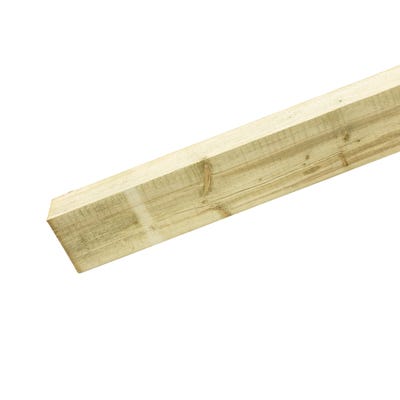
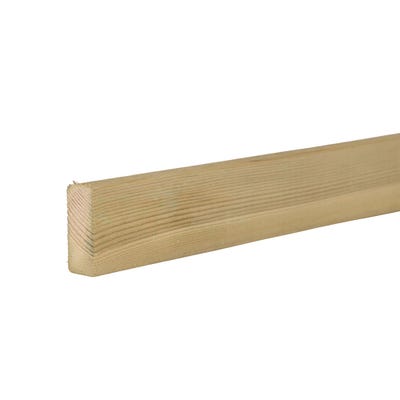
A popular choice for wooden garden edging. Timber is a more inexpensive material, making it ideal for garden projects with a limited budget. Timber garden edging is best-suited to areas with uneven surfaces, such as gravel and bark-mulched paths and beds. Timber edging offers a classic and natural look, so it's a great choice for making artificial lawns appear more convincing.
- Railway Sleepers
-
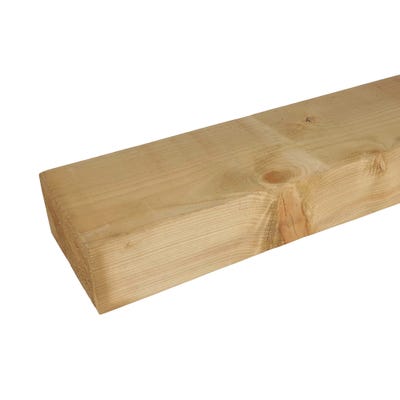
Railway sleepers are another type of wooden garden edging and are especially effective for projects that require larger structures. Due to their size, they are commonly used for building standing vegetable and flower bed borders or garden steps. Railway sleepers are also resistant to rot, so they are well-suited to areas that will be exposed to wet conditions, like growing beds and unsheltered areas.
- Concrete
-
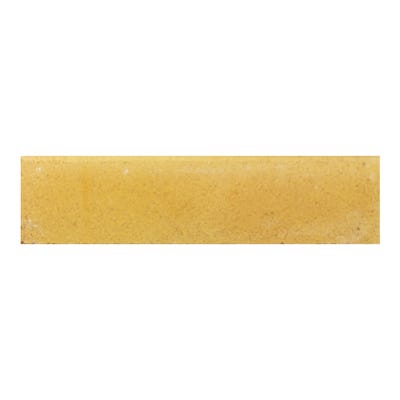
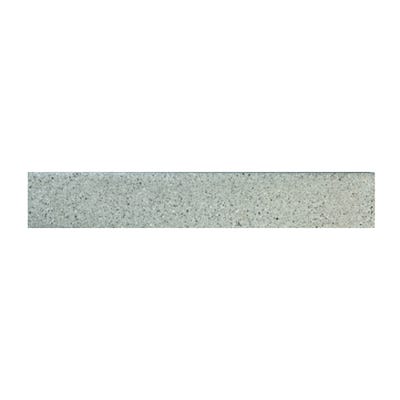
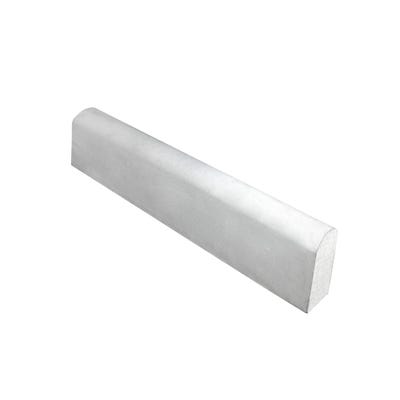
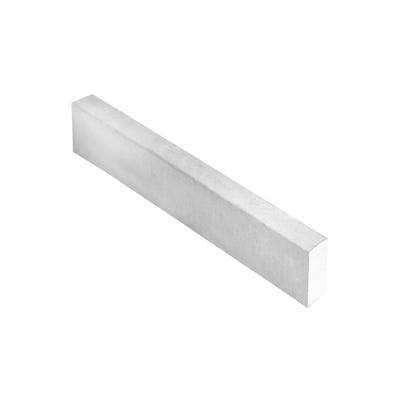
Concrete garden edging performs very well in areas with heavy foot or vehicle traffic and is extremely resilient to harsh weather conditions. It is typically used in more minimalist and functional areas, including driveways, garden paths, patios and courtyards. It performs very well in areas with heavy foot or vehicle traffic.
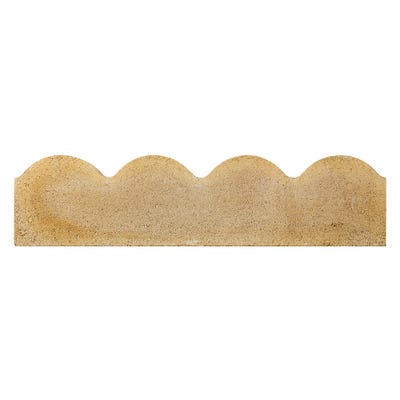
Concrete edging can also be used for a more decorative look due to its wide variety of colours and shapes. At Builder Depot, we offer rope top and scalloped edge concrete borders in multiple colours to suit any garden. The weatherproof properties prevent soil erosion and keep gravel and bark neatly contained, making it perfect for use for flower bed borders, paths and grass edging.
How to install garden edging
Stone & Concrete
- Dig a small foundation trench to the required length.
- Apply a mortar mixture of 6 parts ballast to 1 part cement to where the border will be laid, or use a concrete base instead if desired.
- Lay the slabs by tapping them with a rubber mallet into the bed of mortar mixture.
Timber
- Dig a trench and lay wooden stakes around it, typically 1m apart.
- Use nails to attach the timber to the stakes, allowing for two nails per stake.
- Cut off any excess stakes with a handsaw.
- If appearance is important, fill any gaps against the timber with gravel, topsoil or bark.
How to lay sleepers for garden edging
Railway sleepers are usually made of timber and are large beams that have been fashioned after traditional railway track supports. They are bigger than most timber edging, but are installed in a very similar way.
Installation
- Dig a shallow trench. The trench should be slightly wider than your sleepers and the same depth.
- For corners, cut sleepers with a power saw so they can fit neatly together.
- For long borders, use a drill to make holes in the ends of the sleepers and screw them together.
- Lay the sleepers into the trench and temporarily secure them with stakes for balance.
- Backfill any gaps behind the sleepers with topsoil, bark or gravel to hold them in place.
