
Mould Remover & Damp Treatment
Mould remover and damp treatment products help you deal with black mould, mildew and fungal growth in moisture-prone areas. From fast-acting sprays and foams to fungicidal washes and protective coatings, mould removers help clean affected surfaces and prevent regrowth. Anti-mould treatments can be used on walls, ceilings, tiles and grout in bathrooms, kitchens and other damp spaces. At Builder Depot, you can choose products from trusted brands at competitive trade prices.
Read More Read Less-
-
 Quantity Discount
£19.91 Inc VAT As low as £17.51 Inc VAT£3.98 Per L
-
 Quantity Discount
Identifying house mould
Quickly identifying mould in your home is important for tackling it efficiently. The information below answers common questions like ‘What does mould look like?’ and ‘What causes mould?’ By the end of this guide, you’ll learn how to recognise common types of mould and understand their effects on your health.

What is mould?
Mould is a common type of fungal organism that can live on plant and animal matter. It can also grow on building materials, household objects, plasterboard walls, fabric items like curtains, and even books.
Mould spreads in damp, poorly ventilated spaces by producing airborne spores. These spores reproduce in humid environments. That means controlling moisture and ventilation are essential for minimising mould growth in the home.

What does mould look like?
Mould can appear as fuzzy-looking splotches that resemble a stain, smudge, or general discolouration. In the UK, black, green, and white strains are common, but the appearance and colour can vary depending on the mould’s age.

Types of mould
Below are the common types of mould you might encounter in the UK.
- Green mould
-

Green mould often looks fluffy. It can be found growing on damp walls, inside cupboards, on carpets, damp fabrics, and on mattresses. Potential strains of green mould are: Cladosporium, Aspergillus, and Penicillium.
- White mould
-

White mould looks similar to efflorescence*, but with a furry texture. This mould is common in cool, damp environments, including basements and cellars. It is particularly noticeable on damp wood. Strains of white mould you might encounter are: Cladosporium, Aspergillus, and Penicillium.
- Blue mould
-

You can easily identify this type by its vibrant blue hue. You usually find this type in wetter rooms like bathrooms, and the strain is likely Penicillium.
- Black mould
-

Black mould has a stain-like appearance and grows in spots. It is sometimes found in soil and grains, but most often detected in damp or water-damaged buildings with cellulose-rich building materials. Possible strains include: Stachybotrys chartarum, Cladosporium, Aspergillus, and Penicillium.
- Yellow mould
-

Yellow mould has a dry, flaky appearance and is often mistaken for limescale in the bathroom. It appears in homes in wet environments such as around kitchen sinks and in the bathroom. If you find yellow mould, it is likely Aspergillus.
What causes mould?
Mould is caused by excessive moisture in the surrounding environment. This can be due to poor ventilation, leaking pipes, rising damp, leaks, and condensation issues. In particular, black mould grows in areas with condensation, including around windows and in the bathroom.

Can mould make you sick?
All strains of mould can affect your health if allowed to grow and spread in your home. The symptoms of mould-related health issues differ between individuals, and some people might not experience any symptoms.
However, young infants, the elderly, and those with weakened immune systems are at higher risk of sickness. Some strains are more dangerous than others. Nevertheless, identifying mould types can be challenging, so you should address all signs of fungal growth to avoid associated symptoms of ill health.
As mentioned previously, mould is a fungal organism that produces airborne spores. When you breathe in these spores, they can cause negative health effects in the short and long term.
- Penicillium (appearing as green and white, or if the strain does not release harmful mycotoxins)
-
Short term: Coughing, shortness of breath, sneezing, itching, runny nose
Long term: Lung inflammation, chronic sinusitis, hypersensitivity pneumonitis
- Penicillium (especially if appearing as black mould, and if the strain produces mycotoxins such as Ochratoxin A or Penitrem)
-
Short term: Symptoms similar to food poisoning, including nausea, dizziness, headaches
Long term: Can damage kidneys. Has been found to cause cancer. Linked with neurotoxic complications (contributing to mental health issues such as depression and anxiety)
- Cladosporium (which can appear as green, yellow or black)
-
Short term: Allergy-like symptoms, including sneezing and eye irritation. Dry skin and hives
Long term: Eye / ear / sinus infections, worsening allergies, asthma, ongoing skin problems
- Aspergillus (which can appear as green, white and black)
-
Short term: Shortness of breath, coughing and wheezing, high temperature, weight loss, tiredness
Long term: Lung infections, allergies, serious infections (which can especially affect people with a weakened immune system)
- Stachybotrys chartarum (commonly known as black mould)
-
Short term: Body aches and pains, changes in mood, headaches, nosebleeds, allergy-like symptoms
Long term: Mycotoxicosis (mould poisoning), memory loss, hypersensitivity pneumonitis, infections, asthma

Mould removal and prevention
Mould is a common but unwelcome guest in many homes, posing risks to both your property and your health. So, whether you want to tackle persistent mould growth, know when to call the professionals in, or prevent mould from growing in the first place, our comprehensive guide below has everything you need.
How to prevent mould
Preventing mould before it has a chance to establish itself is much more effective than trying to remove it once it's already settled in.
There are some actions you can take to immediately lessen your mould risk that won’t cost much, if anything, such as:
- Leave the window ajar, which allows damp air to escape. Or opt for strong intermittent ventilation, such as opening the bathroom window fully for ten minutes at a time throughout the day.
- Eliminate excess moisture in spaces such as bathrooms by simply wiping away water stains and damp walls, and using a tool such as a squeegee to dry the shower/bath cabinet after use. Make sure you’re especially vigilant around the corners, as this is where water tends to accumulate.
- Remove wet laundry from your bathroom. This means don’t hang clothes to dry in your bathroom if you can help it, and try to change wet bath towels frequently.
- Use your extractor fan in both your bathroom and kitchen to help reduce the humidity level in your room, preventing condensation and improving overall ventilation and airflow.
If you want to take heavier precautionary measures, you’ll have to adopt a multi-faceted approach, combining quick fixes, medium-term strategies, and long-term solutions. Quick fixes like using anti-mould paints and coatings can provide an immediate barrier against mould growth. Medium-term solutions focus on controlling moisture and humidity levels through proper ventilation, dehumidifiers, and regular maintenance. For a more permanent solution, consider investing in mould-resistant drywall and damp-proofing insulation to safeguard your home for the long haul. By implementing these strategies, you can create a healthier environment and significantly reduce the risk of mould taking hold in your home.
How to get rid of mould?
-
Find the source of the moisture
Before treating the area, look for the likely cause. Mould commonly develops where condensation builds up, particularly around windows, bathrooms, kitchens, and colder external walls. It can also be caused by leaking pipes, damaged roofing, penetrating damp, or poor ventilation.
Fix any leaks or building defects where possible. If condensation is the main problem, improving ventilation and reducing excess moisture will make it less likely that mould will return.
-
Prepare the room
Open a window to provide ventilation and close the door to stop spores spreading into other parts of the home. Wear suitable protective gloves, eye protection, and a mask, particularly when dealing with visible mould or using chemical cleaning products.
-
Apply a mould remover
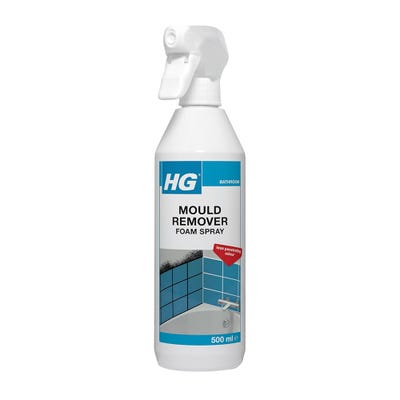
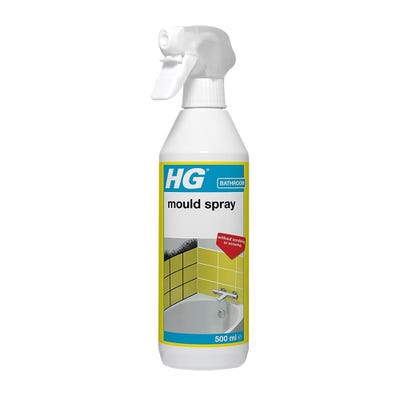
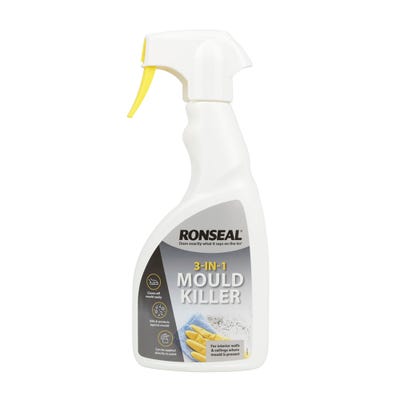
Use a purpose-made mould remover or fungicidal treatment that is suitable for the affected surface. At Builder Depot, our mould remover and damp treatment range includes ready-to-use sprays for walls, ceilings, tiles, grout and other surfaces, making it easier to choose a product for the area you need to treat.
-
Wipe the area and allow it to dry
Once the treatment has had the recommended time to work, wipe the surface as directed by the manufacturer. Use a disposable cloth or thoroughly clean any sponge or cloth afterwards.
Leave the treated area to dry completely. Avoid painting or covering the surface while it’s still moist, as this can trap damp and allow the mould to return.
If mould has penetrated absorbent materials such as ceiling tiles, carpets or soft furnishings, cleaning may not be enough, and the affected material may need to be replaced.
-
Stop the mould from coming back
Removing mould deals with the visible problem, but prevention depends on controlling moisture. Keep extractor fans working in kitchens and bathrooms, leave trickle vents open where fitted, ventilate rooms regularly and give air space to circulate around furniture positioned against colder walls.
